


Aion & Interpreting: How Conference Interpreters Prepare — and What Clients Can Do to Help
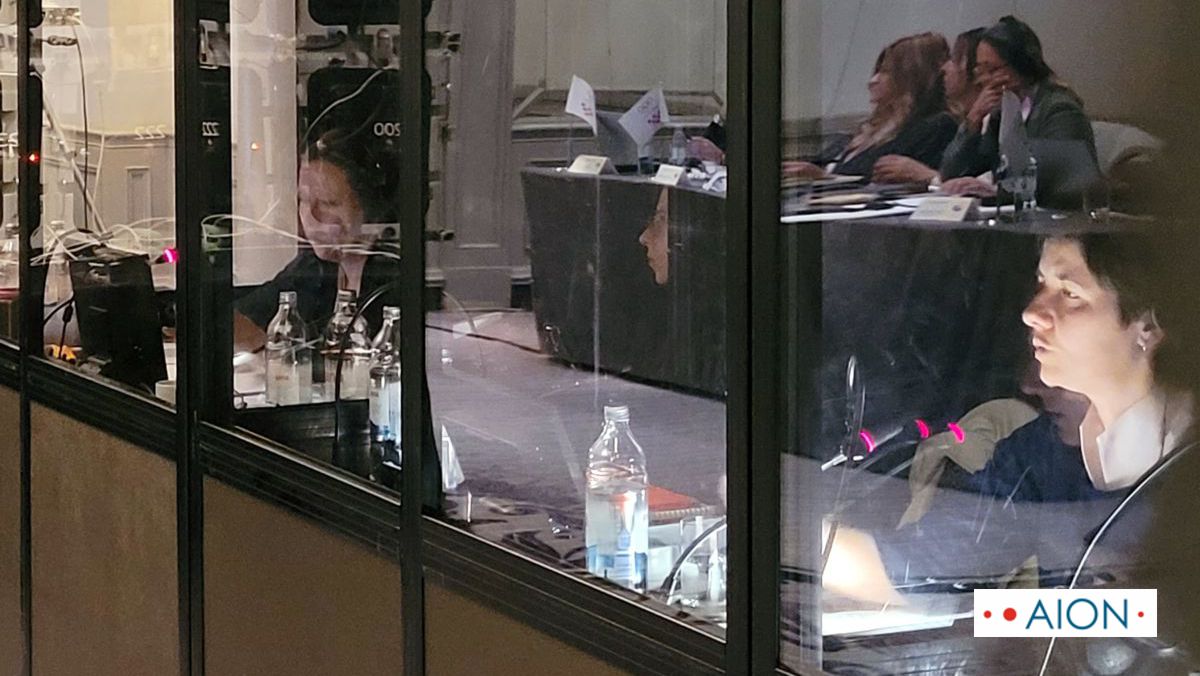
And sometimes, very fast isn't fast enough. Preparing for a fisheries conference took two full weeks. Preparing for a topic on Croatian kings in the 12th century took a whole month of studying scientific papers filled with archaic Croatian terms, objects and terminology — just to grasp the subject in Croatian first, before even thinking about rendering it in English.
How do interpreters prepare?
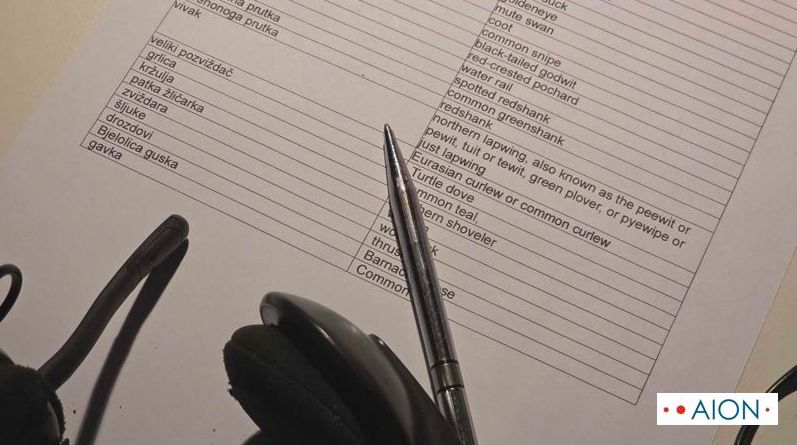
Interpreters read extensively — materials received from clients, documents found online, and anything else relevant to the topic. They consult colleagues who have worked in the same field. One particularly valuable resource is EUR-Lex, the EU's online legal database, which offers bilingual documents covering an enormous range of subjects — from legislative texts to highly specific topics like flora and fauna, complete with Latin nomenclature.
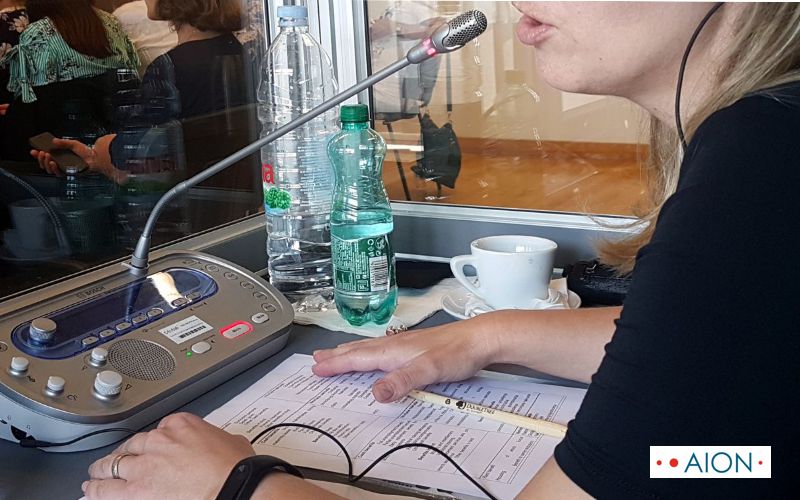
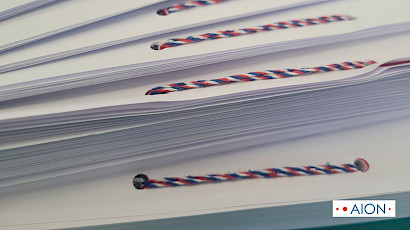
The centrepiece of any preparation is the glossary. Interpreters build topic-specific glossaries with two columns — one for their mother tongue, one for the target language — covering the key terms, expressions and acronyms of that particular conference. These are usually printed out and kept on the interpreter's desk during the event, allowing for a quick glance when a specific term comes up.
Experienced interpreters accumulate glossaries over years, and will often pull out older ones to refresh their memory and add any new terms picked up during fresh preparation.
A team effort in the booth
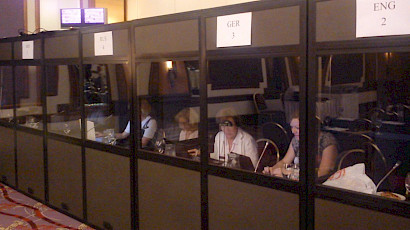
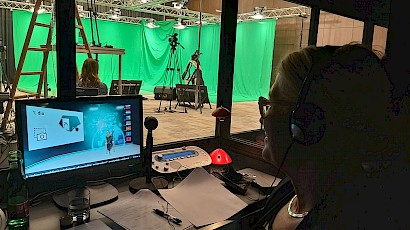
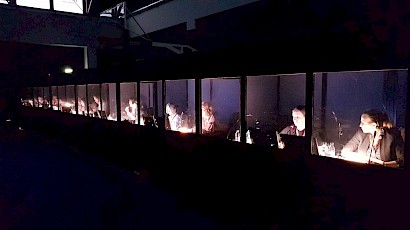
At the highest level of difficulty, interpreting becomes a team sport. While one interpreter is working, their booth partner — nominally on a break — will often actively help by locating words in the glossary on the spot. That quiet assistance can make a real difference to both the interpreter's flow and the overall quality of the output.
What clients can do to help
The single most useful thing a client can do is send all available materials well in advance — enough time for interpreters to prepare properly. Even better, experienced clients will also include what might be called auxiliary documents: older or tangentially related materials that are not directly on the conference agenda, but whose subject matter overlaps with it. That broader context can be surprisingly valuable when an unexpected term surfaces during a session.
Interpreters can work better when they receive:
- Agenda.
- Slides
- Speaker names.
- Terminology.if possible.
In short, the quality of interpretation at your event is a collaboration. The more your interpreters know before they step into the booth, the better the result for everyone in the room.
► Explore more conference know-how articles:
I need four languages for the conference, but how many interpreting booths?
How Many Interpreters Do I Need for a Conference?
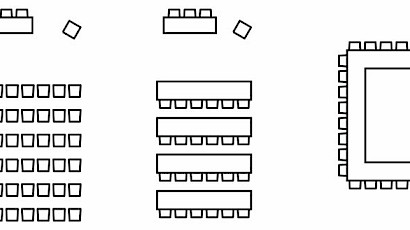
Cinema, School, or Round Table? How Your Seating Choice Shapes the Whole Conference