


Croatia - Where Many Languages Find a Common Table
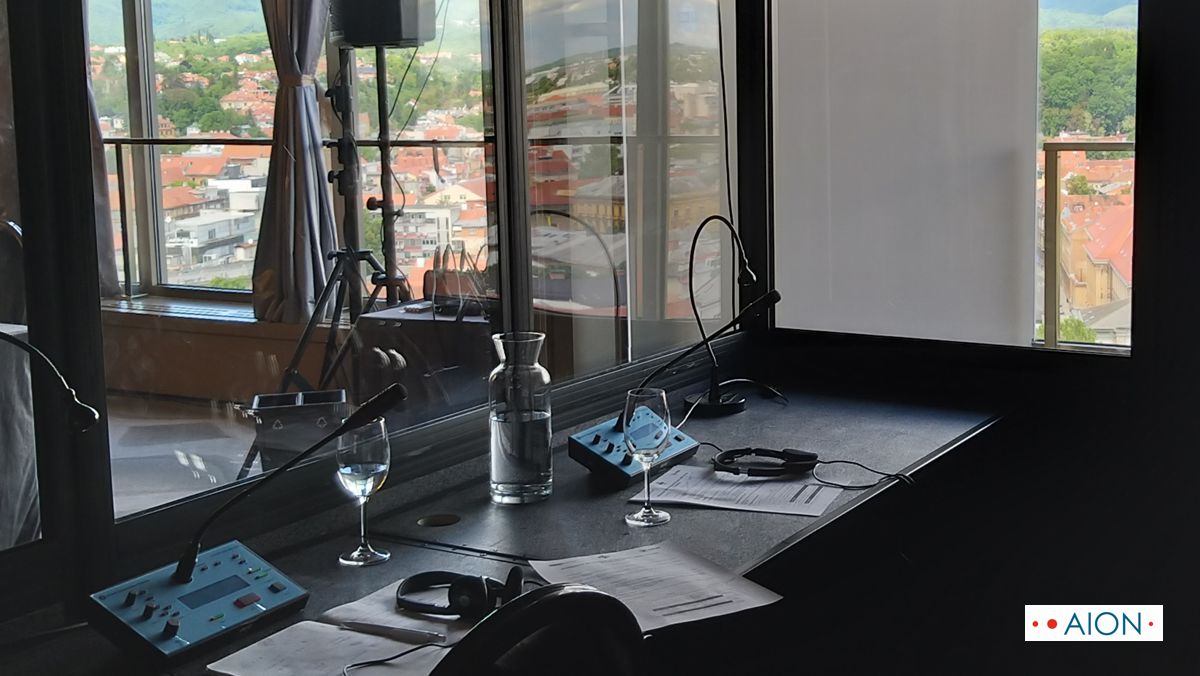
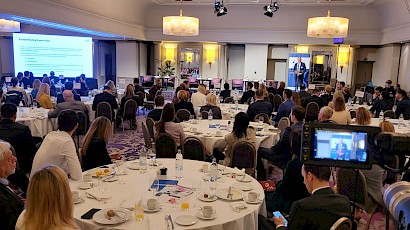
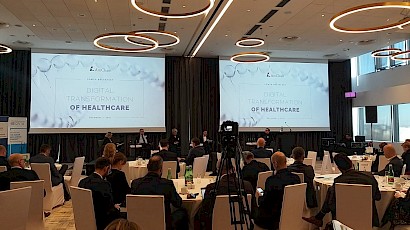
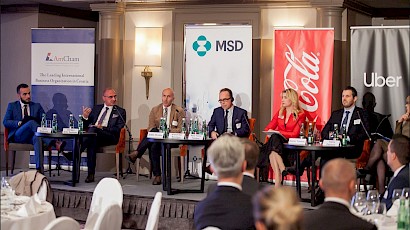
Croatia's accession to the European Union in 2013 made it more than a new member state. It made Zagreb a natural point of reference for nations treading the same path — observing, learning, exchanging experience. Study visits, twinning projects, conferences organised by international trade unions and global organisations have quietly multiplied, bringing delegations from across the region and the world to Croatian venues. The agenda is serious: governance, rule of law, environmental standards, public administration, trade. And around that common table, a remarkable variety of languages is spoken.
English and German anchor most international conferences, as they do across Europe. But in Zagreb's conference rooms, the language landscape stretches considerably further. Albanian arrives with delegations working through accession requirements. Bosnian and Serbian appear at regional policy forums and cross-border cooperation projects. Macedonian accompanies working groups on EU standards and public sector reform. Greek surfaces at broader European organisational meetings. Romanian and Bulgarian connect the wider regional circuit. Ukrainian appears at state visits and high-level diplomatic exchanges, a language whose presence has grown quietly but meaningfully in recent years.
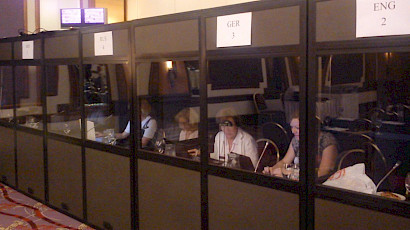
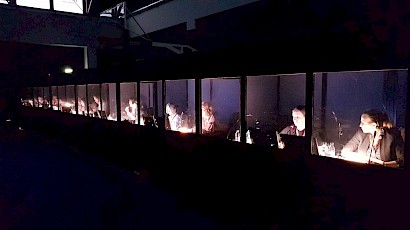
These are not exotic combinations. They are the working languages of a continent in motion — nations building institutions, aligning legislation, training public servants, exchanging knowledge. And they all need, at some point, a conference room in a well-connected city, a professional team, and interpreters who know not just the words but the context behind them.
Croatia and its capital Zagreb offer all of that. And so does Aion — quietly, professionally, and with over thirty years of experience sitting at that common table.