


Interpreting Booths or Tourguide Systems: Which One Does Your Event Need?
The mobile system might be a better technical option for a field visit, a factory tour, or a site inspection. But a conference, a multi-hour negotiation, or a formal meeting is a different situation altogether.
Sound is the raw material interpreters depend on, and it has to be clean. This is why conference interpreting has developed around two elements working together. Both are so important for interpreting that they have earned their own ISO standards.
One element is the sound system: quality microphones that remove echo, so the clearest possible signal reaches the interpreters, and headsets that carry the translation with that same clarity out to the audience. Behind it sits a layer most participants never see: wiring, mix desks, a range of professional microphones, and sound technicians who keep it all running.
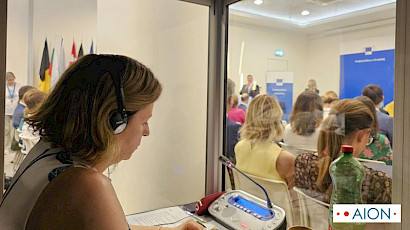
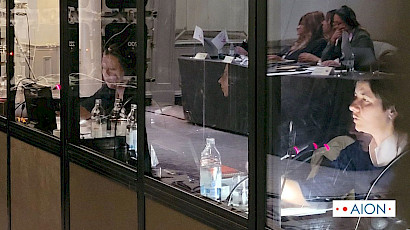
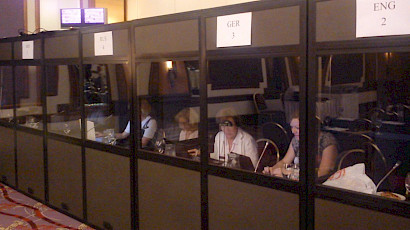
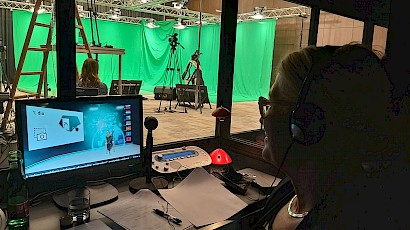
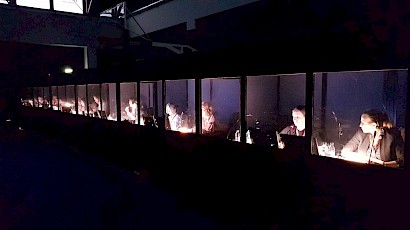
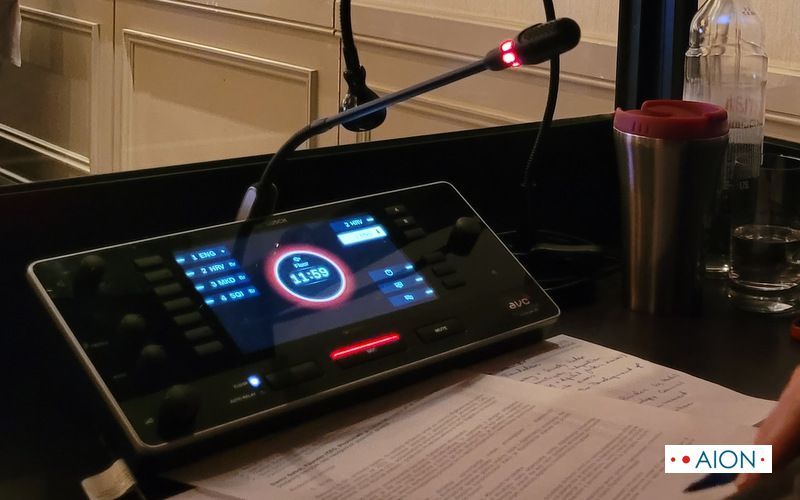
The other element is the soundproof interpreting booth, where interpreters work with an interpreting desk, a device offering a high-quality microphone for each interpreter, paired with ISO-standard headphones. Good sound allows interpreters to sustain the concentration a multi-hour conference demands, session after session.
Strip that structure away and ask interpreters to work a formal meeting with a tourguide system, and the mechanics change fast. Without dedicated microphones for the speaker, interpreters have to sit close enough to actually hear them. In practice, for interpreters this means holding a microphone inches from the mouth, cupping it with both hands, and speaking almost in a whisper to avoid spilling sound across the room, none of which produces the sound quality a booth and proper microphone deliver. Listeners frequently end up hearing both the speaker and the interpreter at once, which is why it is not a rare outcome for meetings to switch to consecutive interpreting partway through, once the limitations become impossible to work around.
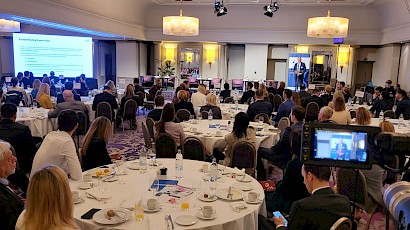
The choice, then, comes down to what the event actually needs. A site visit, a factory floor, an outdoor tour: a tourguide system keeps things moving and gets the job done well, as interpreters move with the group and translation happens on the spot. A conference, a formal negotiation, a multi-hour session: booths and a proper sound setup are what allow interpreters to sustain the quality of simultaneous interpreting the occasion requires. Some events combine both — a morning conference followed by an afternoon field trip — and call for both systems accordingly.
We provide both systems, the conference interpreting system and the tourguide system, with experienced technicians, and help you choose the right one before the event starts.
► Explore more conference know-how articles:
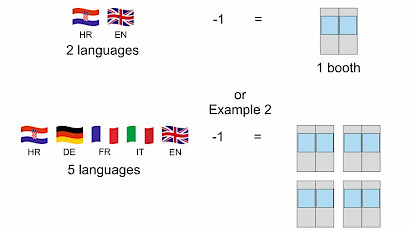
I need four languages for the conference, but how many interpreting booths?
How Many Interpreters Do I Need for a Conference?
How Conference Interpreters Prepare — and What Clients Can Do to Help
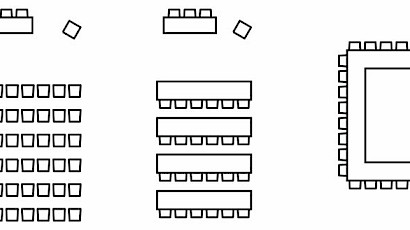
Cinema, School, or Round Table? How Your Seating Choice Shapes the Whole Conference