Why your conference needs an audio technician, not just a sound system
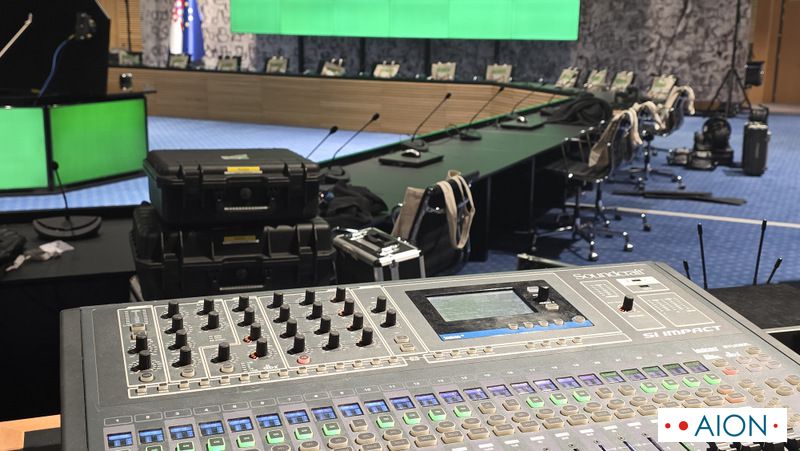
Three audiences, two sounds, one mixer
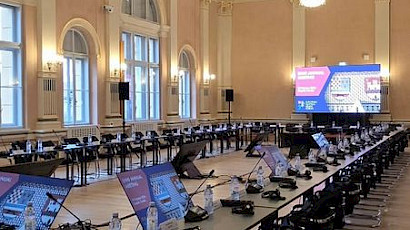
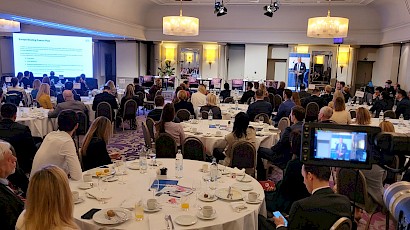
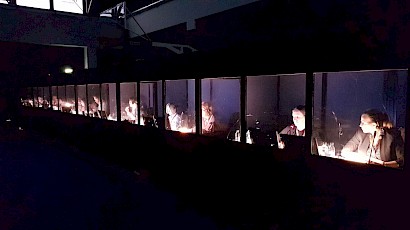
At a conference with interpreting, the sound has to reach three audiences at once:
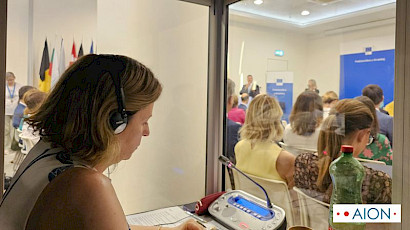
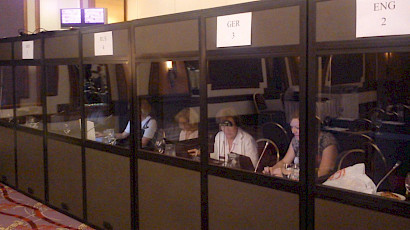
- The interpreters, sitting in their booths, need the speaker’s voice as clean as possible in their headsets.
- The participants wearing receivers need the interpreters’ voices coming back.
- The room hears the speaker through the loudspeakers.
Two sounds: one for the room, one for the interpreters. Same speaker, same mixer, but each needs its own version. All three flows pass through that mixer, and somebody has to manage them together.
An interpreter’s work is only as good as their experience and knowledge plus the sound they receive. Years of training and deep preparation cannot compensate for a speaker they cannot hear clearly.
What spoils the sound
Unclear sound is the interpreter’s worst enemy. It usually comes from one or more of the following causes:
- Echo and room noise. A hall with hard walls sends the voice back a fraction of a second late, which blurs every word.
- Microphones that are on, but not in use. Each open microphone adds its own share of room sound: rustling papers, whispers, chairs. Professional systems have remote on/off controls, so the technician sees at once which microphones are live and closes the ones nobody needs.
- A speaker too far from the microphone. The microphone then picks up the room along with the voice, and the room is what comes back as echo. This is why a good technician will literally walk up to the speaker, mid-sentence, and move the microphone closer to their mouth.
- Speakers who are hard to follow. Soft or indistinct speech, strong accents, and above all reading a prepared text at full speed. Being fluent is not the same as being audible. If a speech is going to be read, send it to the interpreters beforehand: they can prepare the terminology and follow the text even when the sound is imperfect.
Why interpreters’ knowledge includes potentiometers
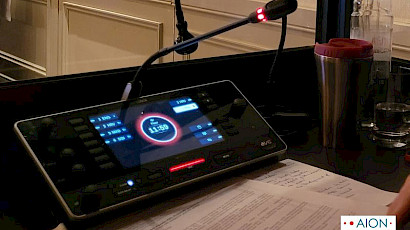
Every interpreter’s console has controls for headset volume and for tone, high and low. Interpreters adjust them constantly, tuning what they hear to the speaker in front of them. When the sound is poor, they turn the volume up, and their own voice rises with it. Add a speaker racing through a written text, and interpreting becomes a heroic effort that good sound would have made unnecessary.
When the sound is poor, even the best interpreter is working from fragments: a few words caught clearly, the rest reconstructed from context. Sometimes a sentence comes out less precise, and sometimes it is lost. The listeners in the headsets hear a weaker interpretation and rarely know why.
Voices also reach different ears differently. One interpreter may hear only a blur where the partner hears the speaker perfectly well. When that happens, the partner takes over, whatever the clock says. It is one more reason interpreters work in pairs.
Why a technician constantly adjusts the knobs and faders at a sound mixer
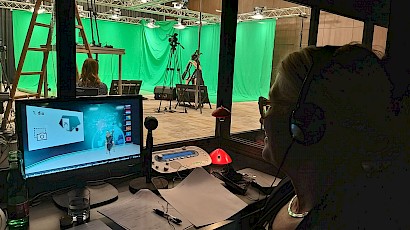
An event is never static. A panellist leans back from the microphone, a lapel microphone starts to crackle, a question comes from the floor with no microphone at all. Somebody has to catch it within seconds, for the whole event and not only at setup.
That is why the technician stays at the mixer from the first speech to the last, and why they need to work on equipment they know. A mixer is not something a technician can take over from someone else and run well.
What you can do as an organiser
- Ask speakers to stay close to the microphone, and let the technician adjust it.
- Send speeches, presentations and glossaries to the interpreters in advance.
- Ask speakers who read from a text to slow down.
- Let the technician control the microphones, rather than the speakers.
Planning an event with interpreting? See what our technical setup includes, or send us an enquiry.
► Explore more in Aion's conference and interpreting articles:
How Many Interpreters Do I Need for a Conference?
Lecterns, Earset Mics, and Goose-necks. A Practical Guide to Conference Microphones
I Need Four Languages for the Conference, But How Many Interpreting Booths?
Cinema, School, or Round Table? How Your Seating Choice Shapes the Whole Conference
Croatia - Where Many Languages Find a Common Table
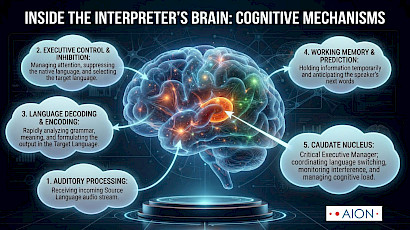
Interpreter Brain Drain: Zen Gain
How Conference Interpreters Prepare — and What Clients Can Do to Help
What Simultaneous Interpreting Really Takes?